Welche Konstruktionsregeln sind bei der Entwicklung kundenspezifischer Keramikbauteile unbedingt zu beachten?
Feb 04, 2026
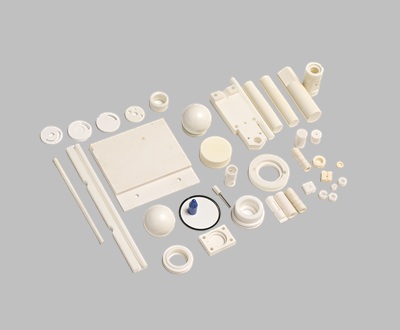
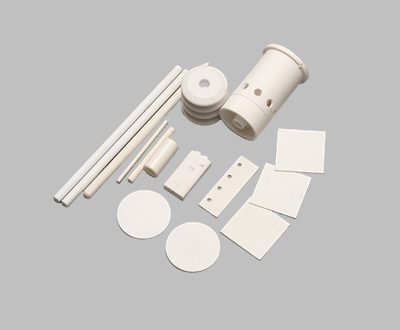
Bei der Entwicklung kundenspezifischer Keramikbauteile müssen Sie einige wichtige Konstruktionsregeln beachten. Im Gegensatz zu Metallen oder Kunststoffen erfordern technische Keramiken aufgrund ihrer Härte und Sprödigkeit einen speziellen Ansatz hinsichtlich Geometrie und Verarbeitung. Konzentrieren Sie sich auf die Auswahl des richtigen Materials, die Planung der Herstellbarkeit und die Sicherstellung einer präzisen Bearbeitung. Diese Schritte erhöhen Leistung, Zuverlässigkeit und Wirtschaftlichkeit. Shenxing bietet fortschrittliche Keramiklösungen wie Heizelemente, Rohre und Unterlegscheiben, die Sie bei der erfolgreichen Umsetzung Ihrer Projekte unterstützen. Sorgfältige Konstruktion bildet die Grundlage für langlebige und hochwertige Keramikbauteile.Wichtige Gestaltungsregeln für kundenspezifische KeramikÜberblick über die wichtigsten PrinzipienBevor Sie mit einem Projekt für kundenspezifische Keramikbauteile beginnen, müssen Sie die wichtigsten Konstruktionsregeln verstehen. Diese Regeln helfen Ihnen, Bauteile mit hoher Leistungsfähigkeit und langer Lebensdauer herzustellen. Präzision ist in jeder Phase des Prozesses unerlässlich. Die folgende Tabelle fasst die wichtigsten und anerkanntesten Konstruktionsregeln für kundenspezifische Keramikbauteile gemäß führender technischer Normen zusammen: GestaltungsregelBeschreibungDesign für die Fertigung (DFM)Anpassungen wie das Abrunden scharfer Ecken verringern das Risiko von Rissen und verbessern die strukturelle Integrität.PräzisionstoleranzmanagementDie Einhaltung enger Toleranzen von ± 0,005 mm ist für technische Keramik von entscheidender Bedeutung, da hier Präzision und Kosten in Einklang gebracht werden müssen.Kontrollierte BearbeitungsumgebungDie fortschrittliche CNC-Bearbeitung verhindert Mikrorisse, was für komplexe Geometrien in Keramik unerlässlich ist.Strenge QualitätsprüfungMehrpunktprüfungen gewährleisten Maßgenauigkeit und Oberflächenbeschaffenheit, die den Anwendungsanforderungen entsprechen. Diese Regeln sollten Sie bei der Konstruktion kundenspezifischer Keramikbauteile stets beachten. Jede Regel behandelt einen spezifischen Aspekt des Prozesses, vom ersten Entwurf bis zur Endkontrolle. Durch die Einhaltung dieser Richtlinien erreichen Sie höchste Präzision. Dieser Ansatz gewährleistet, dass Ihre Keramikbauteile den Anforderungen moderner Anwendungen gerecht werden. Bedeutung der Einhaltung von GestaltungsregelnUm den Erfolg Ihrer kundenspezifischen Keramikprojekte zu gewährleisten, müssen Sie wichtige Konstruktionsregeln beachten. Durch die sorgfältige Auswahl von Material, Geometrie und Oberflächenbeschaffenheit verbessern Sie die Leistungsfähigkeit Ihrer Keramikbauteile. Fortschrittliche Fertigungsverfahren wie die additive Fertigung ermöglichen die Erstellung komplexer Formen, die die Funktionalität Ihrer Konstruktionen verbessern. Durch geometrische Funktionalisierung lässt sich zudem der Bedarf an zusätzlichen Bearbeitungsschritten reduzieren, was Zeit und Ressourcen spart. Die Zuverlässigkeit Ihrer Keramikbauteile steigern Sie durch die Fokussierung auf Präzision.Sie reduzieren das Risiko von Fehlern und Ausfällen in anspruchsvollen Anwendungen.Sie stellen sicher, dass Ihre Entwürfe den Branchenstandards und den Kundenerwartungen entsprechen. Präzision bedeutet mehr als nur Messungen. Sie umfasst auch die Wahl des richtigen Materials, die Kontrolle der Bearbeitungsumgebung und die Prüfung jedes Details. Wenn Sie diese wichtigen Konstruktionsregeln befolgen, schaffen Sie die Voraussetzungen für den Erfolg Ihrer kundenspezifischen Keramikbauteile in vielfältigen technischen Anwendungen. Materialauswahl für kundenspezifische KeramikbauteileAluminiumoxid und andere KeramikartenBei der Materialauswahl für kundenspezifische Keramikbauteile stehen Ihnen zahlreiche Optionen zur Verfügung. Jede Keramikart bietet einzigartige Eigenschaften, die unterschiedlichen technischen Anforderungen gerecht werden. Wenn Sie beispielsweise ein generisches Bauteil konstruieren, … Aluminiumoxid-Keramikteil Für elektrische Anwendungen müssen die Durchschlagsfestigkeit und die Wärmeleitfähigkeit berücksichtigt werden. Aluminiumoxid ist oft das Material der Wahl, da es eine ausgewogene Kombination aus mechanischer Festigkeit und elektrischer Isolation bietet, die nur wenige andere Materialien erreichen. Die folgende Tabelle hebt die gebräuchlichsten Arten von Keramikwerkstoffen, ihre typischen Eigenschaften und Anwendungsgebiete hervor: KeramikartTypische EigenschaftenAnwendungenTraditionelle KeramikWird seit Jahrhunderten verwendet und umfasst Steingut, Steinzeug und Porzellan.Keramik, GeschirrOxidkeramikHohe Schmelzpunkte, ausgezeichnete elektrische Isolation, gute chemische Beständigkeit.Feuerfeste Materialien, elektrische Isolatoren, WärmedämmungenNitridkeramikHohe Wärmeleitfähigkeit, ausgezeichnete mechanische Festigkeit, gute Verschleißfestigkeit.Schneidwerkzeuge, Lager, KühlkörperHartmetallkeramikAußergewöhnliche Härte, hohe Schmelzpunkte, ausgezeichnete chemische Beständigkeit.Schneidwerkzeuge, Schleifmittel, SchutzausrüstungSilikatkeramikUnterschiedliche Eigenschaften aufgrund der Zusammensetzung, darunter Glas, Porzellan und Schamotte.Kochgeschirr, Isolierung, Baumaterialien Die Aluminiumoxidkeramiken von Shenxing zeichnen sich durch ihre hohe Härte, Verschleißfestigkeit und thermische Stabilität aus. Dank dieser Eigenschaften eignen sie sich ideal für hochpräzise Bauteile in der Elektronik, im Maschinenbau und für kundenspezifische Anwendungen, bei denen Metallkomponenten aufgrund von Korrosion oder Verschleiß versagen würden. Eigenschaften der Anwendung zuordnenDie Eigenschaften der Keramik müssen auf Ihre Anwendung abgestimmt sein. Beginnen Sie mit einer Liste der Leistungs- und Einsatzbedingungen, die Ihr Projekt erfordert. Benötigen Sie beispielsweise elektrische Isolation und Langlebigkeit, bieten Aluminiumoxidkeramiken von Shenxing hervorragende Ergebnisse. Um die richtige Keramik auszuwählen, wenden Sie sich an einen vertrauenswürdigen Lieferanten und testen Sie Muster unter realen Bedingungen. Moderne Fertigungsverfahren wie Sintern und Spritzgießen helfen Ihnen, die optimale Passform für Ihre individuellen Keramikbauteile zu erreichen. Kosten- und VerfügbarkeitsfaktorenBei der Materialauswahl sollten Sie Kosten, Festigkeit und Produktivität gegeneinander abwägen. Die Kosten von Keramik hängen von den Rohstoffen und den Verarbeitungsmethoden ab. Eine Kosten-Nutzen-Analyse hilft Ihnen, Leistung und Preis zu bewerten und so das beste Preis-Leistungs-Verhältnis für Ihre individuellen Keramikbauteile zu gewährleisten. Die Aluminiumoxidkeramiken von Shenxing sind eine zuverlässige Wahl für Projekte, die sowohl Qualität als auch Effizienz erfordern. Vergleichen Sie die Kosten verschiedener Arten von Keramikmaterialien.Analysieren Sie die Verfügbarkeit und Lieferzeiten für die von Ihnen gewählte Keramik.Wählen Sie Materialien, die zu Ihrem Budget passen, ohne Kompromisse bei der Leistung einzugehen. Wer weiß, wie man die richtige Keramik auswählt, schafft die besten Voraussetzungen für den Erfolg seiner kundenspezifischen Keramikbauteile in jedem technischen Projekt. Design für die FertigungGeometrie und MerkmalsvereinfachungKonzentrieren Sie sich beim Entwurf des Bauteils auf einfache Formen und klare Linien. Eine einfache Geometrie erleichtert die präzise Fertigung von Keramikkomponenten. Komplexe Formen können die Produktionskosten und Lieferzeiten erhöhen. Berücksichtigen Sie, wie sich die Geometrie auf das Formen, Bearbeiten und die Endbearbeitung des Bauteils auswirkt. Wenn Sie beispielsweise ein Produkt entwerfen Keramisches Kolbenrohr Bei Dosierpumpen ist die Innenbohrungsgeometrie entscheidend. Keramik eignet sich aufgrund ihrer Verschleißfestigkeit hervorragend für diese Anwendung. Eine Konstruktion mit Hinterschneidungen oder nicht standardmäßigem Gewinde kann jedoch das notwendige Innenschleifen nahezu unmöglich machen. Eine gerade und gleichmäßige Innengeometrie des Keramikkolbenrohrs gewährleistet, dass die Honwerkzeuge die für eine dichte Flüssigkeitsabdichtung erforderliche Oberflächengüte erzielen. Einfache Konstruktionsmerkmale verringern das Fehlerrisiko.Abgerundete Ecken helfen, Risse während der Verarbeitung zu vermeiden.Eine gleichmäßige Wandstärke verbessert Festigkeit und Zuverlässigkeit. Sie müssen auch das Produktionsvolumen und die Komplexität des Keramikbauteils berücksichtigen. Hohe Komplexität kann den Einsatz aufwendiger Formen oder spezieller Bearbeitungsschritte erfordern. Prüfen Sie stets, ob Ihr Lieferant Designänderungen vorschlagen kann, die die Herstellbarkeit verbessern, ohne die Funktion zu beeinträchtigen. Toleranzen und WandstärkeSie müssen realistische Toleranzen für Ihre Keramikteile festlegen. Zu enge Toleranzen können die Kosten erhöhen und die Produktion verlangsamen. Material und Verfahren, wie beispielsweise Sintern oder Spritzgießen, beeinflussen die endgültige Größe und Form. Arbeiten Sie mit Ihrem Lieferanten zusammen, um Toleranzen zu wählen, die ein optimales Verhältnis zwischen Leistung und Herstellbarkeit gewährleisten. Die Prozesssteuerung, einschließlich der sorgfältigen Überwachung von Temperatur und Druck, trägt dazu bei, die richtigen Toleranzen zu erreichen. Auch die Werkzeugkonstruktion spielt eine entscheidende Rolle für die endgültige Genauigkeit des Bauteils. Gewichts- und FormüberlegungenBeim Konstruieren sollten Sie Gewicht und Gesamtform berücksichtigen. Leichtbaukonstruktionen benötigen weniger Material und sind kostengünstiger in der Herstellung. Sie müssen jedoch sicherstellen, dass das Bauteil für seinen Anwendungszweck ausreichend stabil bleibt. Analysieren Sie die wirtschaftliche Rentabilität durch einen Vergleich der Kosten pro Teil und der Gewinnschwelle.Stellen Sie sicher, dass das Design den Qualitäts- und Regulierungsstandards entspricht. Die Form des Keramikbauteils beeinflusst dessen Herstellbarkeit und Leistungsfähigkeit im Gebrauch. Durch die Berücksichtigung dieser Faktoren entstehen effiziente und zuverlässige Komponenten. Bewährte Verfahren bei der KeramikbearbeitungWerkzeugauswahl und ProzesssteuerungBei der Keramikbearbeitung ist die sorgfältige Auswahl des Werkzeugs und die Prozesskontrolle unerlässlich. Da Keramik hart und abrasiv ist, ist die Wahl des richtigen Schneidwerkzeugs entscheidend. Diamantschleifen, diamantbeschichtete Fräser oder CBN-Fräser können den Werkzeugverschleiß reduzieren und die Präzision gewährleisten. Auch die Bearbeitungsumgebung spielt eine wichtige Rolle. Halten Sie Ihren Arbeitsbereich sauber und stabil, um Vibrationen und Verunreinigungen zu vermeiden. Kontinuierliche Iterationen in der Produktion helfen Ihnen, Ihren Keramikbearbeitungsprozess zu optimieren und mit jeder Charge bessere Ergebnisse zu erzielen. Hier ist eine Tabelle, die effektive Techniken zur Minimierung des Werkzeugverschleißes zusammenfasst: TechnikBeschreibungDiamantschleifenVerringert den Werkzeugverschleiß bei abrasiven Keramiken.Optimierte SchleifparameterKorngröße, Bindemittelart und Schleifscheibendrehzahl sind entscheidend für die Werkzeugstandzeit.Diamantbeschichtete und CBN-MühlenHohe Spindeldrehzahlen und niedrige Vorschubgeschwindigkeiten reduzieren die Belastung.UltraschallbohrenHochfrequente Vibrationen minimieren Wärme und Belastung.FunkenerosionNutzt elektrische Funken zur Herstellung komplexer Formen ohne mechanische Belastung. Parameter der CNC-Bearbeitung von KeramikUm bei der CNC-Bearbeitung von Keramik hohe Präzision und Qualität zu erzielen, ist es wichtig, die Schlüsselparameter zu verstehen. Schnittgeschwindigkeit, Vorschub und Spindeldrehzahl beeinflussen das Ergebnis. Niedrige Schnittgeschwindigkeiten verhindern Risse, während kontrollierte Vorschübe einen gleichmäßigen Materialabtrag gewährleisten. Hohe Spindeldrehzahlen reduzieren die Reibung und verbessern die Präzision. Kühl- und Schmierstoffe verringern die Wärmeentwicklung und beugen so Spannungen im Keramikmaterial vor. Eine geeignete Werkstückspannung und Schwingungsdämpfung sorgen für Stabilität während der CNC-Bearbeitung. Die folgende Tabelle zeigt, wie sich diese Parameter auf Ihre Ergebnisse auswirken: CNC-BearbeitungsparameterAuswirkungen auf Qualität und PräzisionSchnittgeschwindigkeitNiedrigere Geschwindigkeiten verhindern Rissbildung.VorschubgeschwindigkeitDie kontrollierte Zufuhr gewährleistet eine reibungslose Entnahme.SpindeldrehzahlHohe Geschwindigkeiten verbessern die Präzision.Kühlmittel und SchmierstoffeReduziert Wärmestau und Stress.MaterialabtragsrateMuss ausbalanciert sein, um Werkzeugverschleiß zu vermeiden.Werkstückspannung und SchwingungsdämpfungGewährleistet Stabilität und Präzision. Minimierung von Rissen und DefektenSie können Risse und Defekte bei der CNC-Bearbeitung von Keramik minimieren, indem Sie einige Tipps für eine erfolgreiche Bearbeitung beachten. Verwenden Sie geringere Vorschubgeschwindigkeiten und Schnittgeschwindigkeiten, um Materialerschütterungen zu vermeiden. Stützen Sie Ihr Werkstück mit weichen Spannbacken oder Vakuumspannvorrichtungen ab. Wählen Sie das richtige Schneidwerkzeug und die passende Werkzeugwegstrategie, um die Spannung gleichmäßig zu verteilen. Die mehrachsige CNC-Bearbeitung von Keramik ermöglicht die Herstellung komplexer Formen mit weniger Spannungsspitzen. Vermeiden Sie scharfe Innenkanten und verwenden Sie Kühlmittel, um die Wärmeentwicklung zu reduzieren. Führen Sie die Schnitte flach aus und lassen Sie das Material zwischen den Schnitten abkühlen. Stützen Sie dünne Teile mit zusätzlicher Unterlage ab und verwenden Sie Feinschleifen mit Diamant für eine glatte Oberfläche. Für filigrane Details eignen sich Ultraschallbearbeitung oder Laserschneiden. Qualitätskontrolle bei kundenspezifischer KeramikInspektions- und PrüfmethodenUm die Qualität kundenspezifischer Keramikbauteile zu gewährleisten, sind präzise Prüf- und Testverfahren unerlässlich. Diese Verfahren helfen Ihnen sicherzustellen, dass jedes Teil strengen technischen Normen entspricht. Moderne optische Systeme ermöglichen die Erkennung von Oberflächenfehlern und die Messung von Abmessungen. Prüfungen der mechanischen Eigenschaften liefern Daten zu Zugfestigkeit und Streckgrenze. Bei Keramik sollten Sie zudem Dichte, Porosität und Biegefestigkeit berücksichtigen. Diese Prüfungen gewährleisten die zuverlässige Funktion Ihrer Bauteile auch unter anspruchsvollen Bedingungen. Bei hochpräzisen Dichtungsanwendungen ist die Überprüfung der Planheit entscheidend. Wenn Sie ein/e Dichtungsteil herstellen, Keramischer DichtungsringEine herkömmliche Sichtprüfung reicht beispielsweise oft nicht aus. Um sicherzustellen, dass die Oberfläche des Keramikdichtrings absolut plan ist, müssen unter Umständen monochromatische Lichtbänder oder Laserinterferometrie eingesetzt werden. Selbst mikroskopische Abweichungen von der Planheit können Leckagen in Hochdruckpumpen oder Gleitringdichtungen verursachen. Hier eine Zusammenfassung der gängigsten Inspektions- und Testmethoden: VerfahrenBeschreibungPrüfung der mechanischen EigenschaftenBewertet Zugfestigkeit, Streckgrenze und Dehnung gemäß ASTM-Normen.Dimensions- und OberflächenprüfungPrüft die Maßgenauigkeit und sucht mithilfe optischer Systeme nach Oberflächenfehlern.Prüfschwerpunkt nach MaterialartZu den spezifischen Prüfkriterien für Keramik gehören Dichte, Porosität und Biegefestigkeit. Sie sollten Ihre Ergebnisse stets dokumentieren und mit Ihren Konstruktionsvorgaben vergleichen. Dieser Prozess hilft Ihnen, während der gesamten Produktion eine hohe Präzision und gleichbleibende Qualität zu gewährleisten. Häufige Herausforderungen und LösungenSprödigkeit und BruchrisikoSprödigkeit ist eine der häufigsten Herausforderungen in der Keramiktechnik. Keramiken weisen extreme Härte und geringe Duktilität auf, wodurch sie unter Belastung reißen oder splittern können. Schnelle Temperaturänderungen erhöhen ebenfalls das Bruchrisiko. Diesen Problemen können diamantbeschichtete Schneidwerkzeuge und schonende Bearbeitungstechniken entgegengewirkt werden. Geringere Vorschubgeschwindigkeiten und Mehrpassbearbeitung tragen zur Stabilität bei und reduzieren die Schnittkräfte. Segmentiertes Schneiden und Impulskühlung kontrollieren die thermische Spannung und erhöhen so die Zuverlässigkeit des Prozesses. Erzielung einer OberflächengüteFür Hochleistungskeramikbauteile ist eine glatte Oberflächengüte erforderlich. Feinschleif- und Superfinish-Verfahren ermöglichen präzise Abmessungen und eine hohe Oberflächenqualität. Minimalmengenschmierung reduziert den Werkzeugverschleiß beim Feinschleifen. Spezielle Schleifverfahren wie das Pendelschleifen und das Tiefschleifen nutzen spezifische Korngrößen und Drehzahlen, um optimale Ergebnisse zu erzielen. Läppen und Honen verfeinern die Oberflächen weiter durch kontrollierten Druck und eine angepasste Schleifmittelkonzentration. Kühlung und Schmierung verhindern Brüche und gewährleisten gleichbleibende Präzision. TechnikBeschreibungWichtige ParameterKeramikschleifenVerwendet verschiedene Schleifverfahren zur Dimensionierung und Oberflächenbearbeitung.Korngröße, Bindemittelart, ScheibendrehzahlRundenVerwendet Schleifmittel zur Erzielung einer glatten Oberfläche.Schlammkonzentration, Druck, RundengeschwindigkeitHonenVerbessert die Genauigkeit der Innenflächen.Kühlmittelverbrauch, Hublänge, Druck Vermeidung von DesignfallenHäufige Probleme bei der Konstruktion von Keramikbauteilen lassen sich vermeiden, indem man sich auf vier Schlüsselbereiche konzentriert: Prüfen Sie die Temperaturwechselbeständigkeit, um sicherzustellen, dass Ihr Bauteil schnellen Temperaturschwankungen standhält.Prüfen Sie die mechanische Festigkeit und die Bruchzähigkeit für Ihre Belastungsstufe.Prüfen Sie die chemische Kompatibilität mit den Prozessgasen.Legen Sie Maßtoleranzen fest, die durch Präzisionsbearbeitung erreicht werden können. Zuverlässigkeit und Leistung verbessern sich, wenn diese Faktoren frühzeitig im Konstruktionsprozess berücksichtigt werden. Sorgfältige Planung und Liebe zum Detail helfen dabei, die häufigsten Herausforderungen in der Keramiktechnik zu meistern. Anwendungsspezifische ÜberlegungenIndustrielle und Hightech-AnwendungenKundenspezifische Keramikbauteile finden in einer Vielzahl von Branchen Anwendung. Jede Branche stellt spezifische Anforderungen an Eigenschaften und Leistung. Die folgende Tabelle zeigt, wie verschiedene Branchen Keramik einsetzen und welche Anforderungen sie an diese Werkstoffe stellen: IndustrieAnwendungenWichtigste EigenschaftenLuft- und RaumfahrtTriebwerksteile, Hitzeschilde, RaumfahrzeugisolierungFestigkeit unter extremen BedingungenAutomobilBremsen, Lambdasonden, LagerHitze- und SpannungsbeständigkeitElektronikHalbleiter, Widerstände, IsolatorenIsolierung und WärmebehandlungMedizinHüftprothesen, ZahnkronenBiokompatibilität und HaltbarkeitEnergieSolarzellen, BrennstoffzellenVerschleiß- und HitzebeständigkeitSchwerindustrieBergbau- und BohrausrüstungHärte und Rostbeständigkeit Sie sehen, dass Innovationen in der Luft- und Raumfahrt, der Automobilindustrie, der Elektronik und der Medizintechnik auf Keramik für kritische Anwendungen angewiesen sind. Die Heizschutzelemente, Keramikrohre und Dichtungsscheiben von Shenxing sind Beispiele dafür, wie Sie die Anforderungen von Anwendungen in der Elektronik-, Automobil- und Luft- und Raumfahrtindustrie erfüllen können. Auch in der Lebensmittelverarbeitung und der Medizintechnik finden kundenspezifische Mahlkerne Anwendung. Spezialkomponenten wie der Keramikdichtring sind in der Schwerindustrie unverzichtbar. In Umgebungen mit abrasiven Schlämmen oder korrosiven Chemikalien würde eine herkömmliche Metalldichtung schnell verschleißen. Ein speziell entwickelter Keramikdichtring bietet überlegene Beständigkeit gegen chemische Angriffe und Reibung und verlängert die Wartungsintervalle von Industriepumpen und -ventilen erheblich. Diese Anwendungsbeispiele verdeutlichen, warum die Wahl der richtigen Keramikzusammensetzung – ob Aluminiumoxid, Zirkonoxid oder Siliciumcarbid – so entscheidend ist. Umwelt- und RegulierungsanforderungenBei der Entwicklung von Produkten für spezifische Anwendungen müssen Umwelt- und Regulierungsauflagen berücksichtigt werden. Viele Branchen, wie die Lebensmittel- und Medizinindustrie, verlangen die Einhaltung strenger Sicherheits- und Hygienestandards, die von Organisationen wie der FDA und dem USDA festgelegt werden. Nachhaltige Produktionsverfahren sind notwendig, um die Emissions- und Abfallvorschriften zu erfüllen. Hersteller testen und zertifizieren Materialien häufig, um deren Ungiftigkeit und Sicherheit zu gewährleisten. Auch die Emissionen aus der Keramikproduktion lassen sich mithilfe fortschrittlicher Systeme, wie z. B. elektrischer regenerativer thermischer Oxidationsanlagen, reduzieren, um die globalen Standards für saubere Luft zu erfüllen. Anpassung für individuelle AnwendungenSie erzielen erfolgreiche Kundenanpassungen durch die enge Zusammenarbeit mit Herstellern. So können Sie Toleranzen, Kantenbearbeitung und Festigkeitsstabilität für Spezialanwendungen in der Luft- und Raumfahrt, der Elektronik und der Medizintechnik optimieren. Hersteller führen häufig Machbarkeitsanalysen durch und erstellen iterative Prototypen, um Kompatibilität zu gewährleisten und das Risiko von Designänderungen zu minimieren. Sie profitieren von einer strengen Qualitätskontrolle, einschließlich ISO-Zertifizierung und fortschrittlichen Prüfsystemen, die für vorhersehbare Qualität und geringere Fehlerraten sorgen. Dank Ihrer Materialexpertise können Sie komplexe Geometrien und hochwertige Oberflächen für innovative Elektronik- und Medizingeräte realisieren. Zuverlässige Lieferketten und ein reaktionsschneller technischer Support unterstützen Sie dabei, sich schnell an neue Anwendungen anzupassen. Das Produktsortiment von Shenxing, darunter Heizelemente, Rohre, Unterlegscheiben und Mahlkerne, zeigt, wie Sie individuelle Lösungen für unterschiedlichste Branchenanwendungen realisieren können. Sie können kundenspezifische Größen, Formen und Materialqualitäten anfordern, um die exakten Anforderungen von Anwendungen in der Luft- und Raumfahrt, der Automobilindustrie, der Elektronik und der Medizintechnik zu erfüllen. Häufig gestellte FragenWarum eignen sich Aluminiumoxidkeramiken gut für kundenspezifische Bauteile?Aluminiumoxidkeramik bietet hohe Härte, Verschleißfestigkeit und thermische Stabilität. Diese Eigenschaften machen sie ideal für anspruchsvolle Anwendungen in der Elektronik, im Maschinenbau und in der Hightech-Industrie. Wie gewährleistet man Präzision bei der Herstellung von Keramikbauteilen?Präzision erreichen Sie durch den Einsatz fortschrittlicher CNC-Bearbeitung, strenger Prozesskontrolle und Mehrpunktprüfungen. Diese Maßnahmen helfen Ihnen, enge Toleranzen einzuhalten und eine gleichbleibende Qualität zu gewährleisten. Können Sie Keramikteile für spezielle Anwendungen individuell anpassen?Sie können individuelle Größen, Formen und Materialqualitäten anfragen. Hersteller wie Shenxing arbeiten mit Ihnen zusammen, um Ihre Anforderungen für Projekte in der Luft- und Raumfahrt, der Automobilindustrie oder der Elektronik zu erfüllen. Welche Herausforderungen treten häufig in der Keramiktechnik auf?Häufig treten Sprödigkeit, Bruchgefahr und Probleme mit der Oberflächenbeschaffenheit auf. Diese Probleme lassen sich durch die Auswahl der richtigen Werkzeuge, schonende Bearbeitungsmethoden und die Einhaltung bewährter Verfahren im Konstruktionsprozess beheben. Wie prüft man die Qualität von Keramikbauteilen?Sie nutzen mechanische Prüfverfahren, optische Inspektion und Zertifizierungsverfahren. Diese Methoden bestätigen, dass Ihre Teile die Industriestandards für Festigkeit, Haltbarkeit und Sicherheit erfüllen.







 2025-10-14
 Netzwerkunterstützung